Victoria McKenzie is a Jamaican–Trinidadian writer, research architect, educator, dancer and cultural practitioner whose work explores the entanglements of memory, place, ecology, and decolonisation.
Working across fiction, architectural research, performance, and pedagogy, she is interested in how stories shape our relationship to land, history, and the built environment.
Early Life + Journey

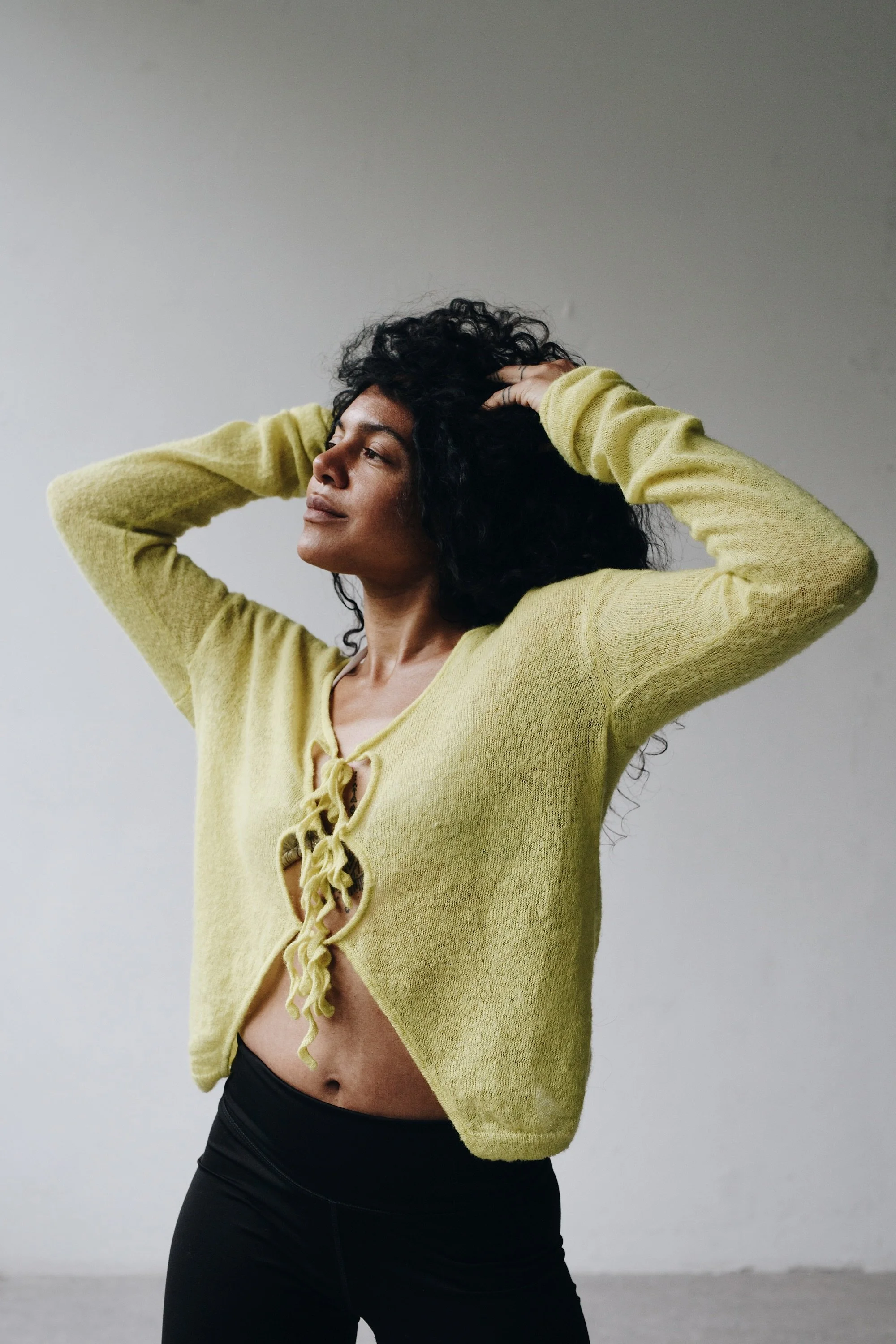
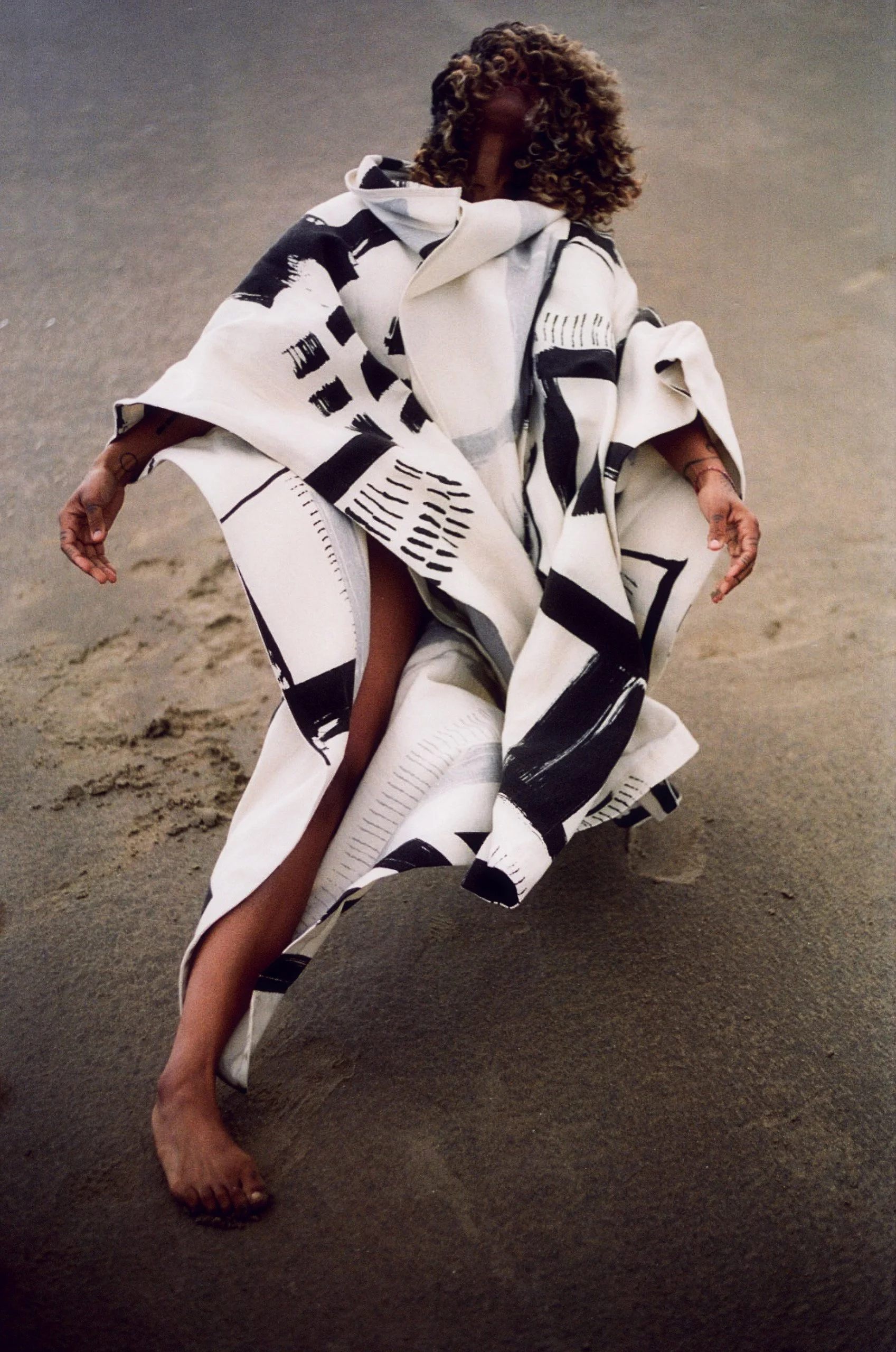
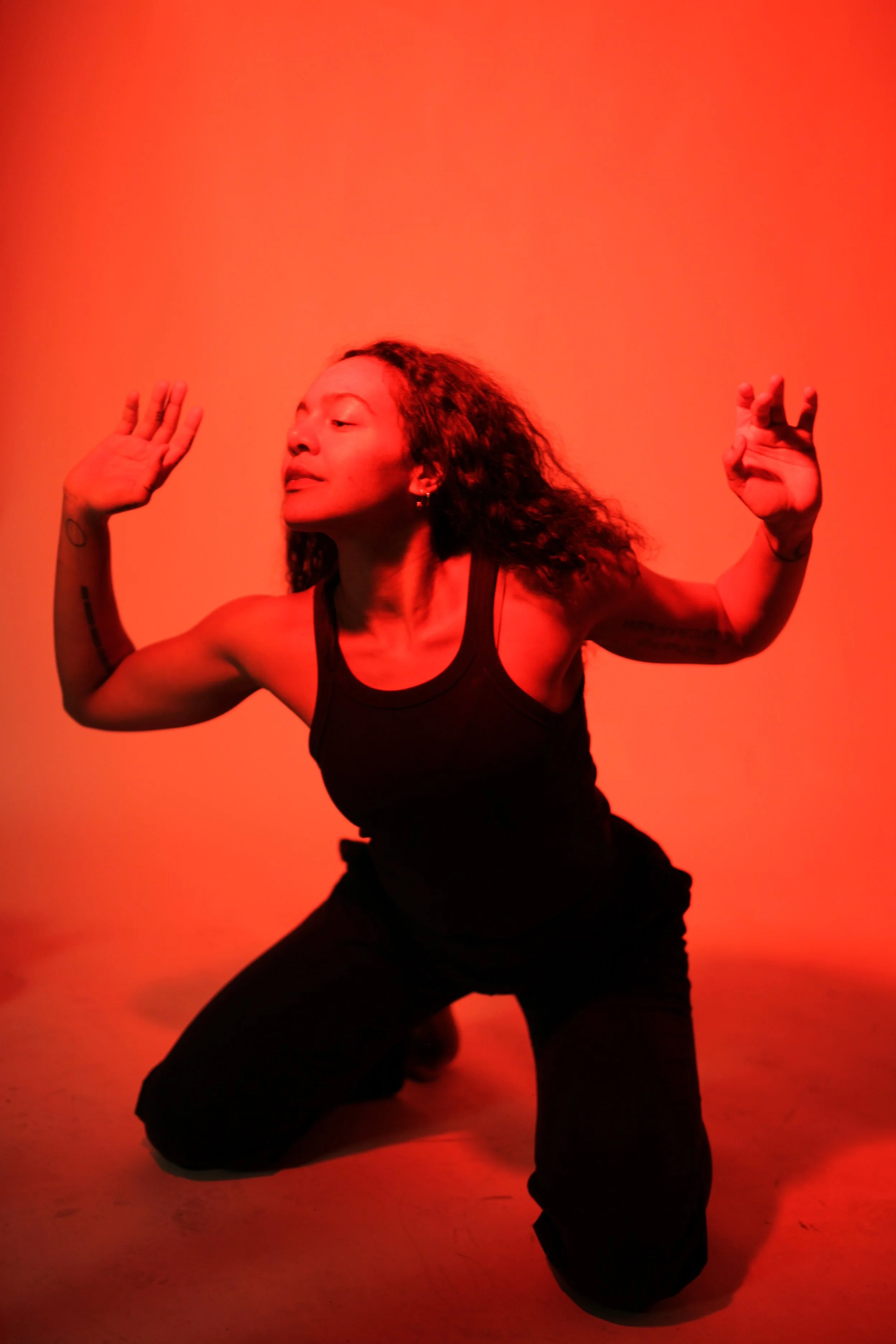
Born and raised in Kingston, Jamaica, Victoria spent the first sixteen years of her life steeped in the ecology and socio-political context of her Island Nation. With a Jamaican mother and Trinidadian father, the Caribbean is forever her home in the way that home is the diasporic body embedded within a language of revolution and spirit. Growing up in “post-colonial” Jamaica and witnessing not only the beauty of the landscape but the oppression that people still lived under allowed her to question why it is that the post-colonial, never became the de-colonial. Why did the categories of race, class and gender still exist on the island today and what does it truly mean, in the words of Bob Marley—“to emancipate [ourselves] from mental slavery”? These questions, as well as the oceanic reverberations of the Caribbean are something born and alive in Victoria’s being and practice today.
At the age of sixteen, she migrated to Toronto, Canada where she completed her high school education as well as her trainings with the Royal Academy of Dance in Ballet, before exploring other forms of embodied somatic movement that felt more aligned with the body’s relationship to space. Victoria pursued and completed her Bachelor’s of Arts and Sciences at the University of Toronto with a Specialist in Literature and Critical Theory and Architecture. After her BA, she moved to London, England where she achieved her MA at Goldsmiths’ University of London with the Forensic Architecture Agency’s ‘Centre for Research Architecture’ (CRA). She was awarded a high distinction for her work on the myco-remediation of toxic oil spills in the Ecuadorian Amazon where she was invited to live and engage in activism against Chevron-Texaco. From this work, Victoria was accepted as a PhD candidate at UCL, University of London, in the History of Art and Ecology Department where she worked at the intersections of soil ecologies, colonialism, and philosophies of being against climate change.
Architectural Research & RRA
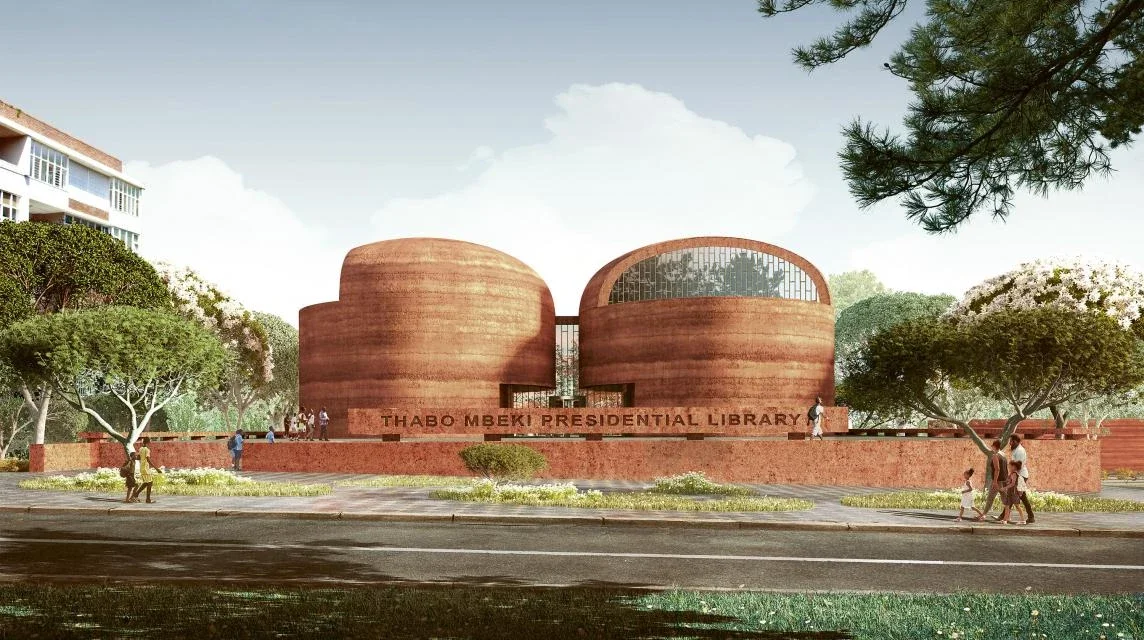
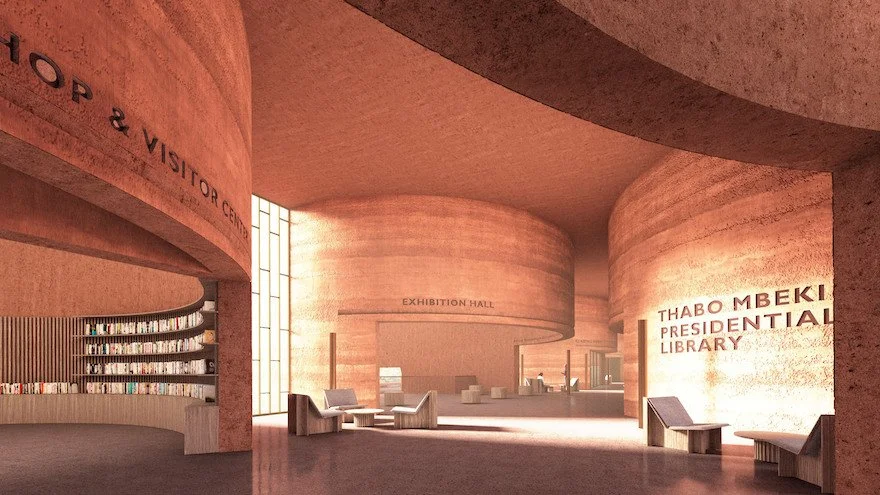
Alongside her Phd, Victoria worked in the architectural industry living between London, New York and Ghana, with Adjaye Associate’s international office before moving to Accra, Ghana full time in 2021. During her time in Africa, Victoria had the honour of working on prolific projects such as the Thabo Mbeki Presidential Centre, South Africa; MOWAA (Museum of West African Art), Benin, Nigeria; Hugh Masekela Memorial Pavilion, South Africa; and the W.E.B Du Bois Complex, Accra, Ghana, to name a few.
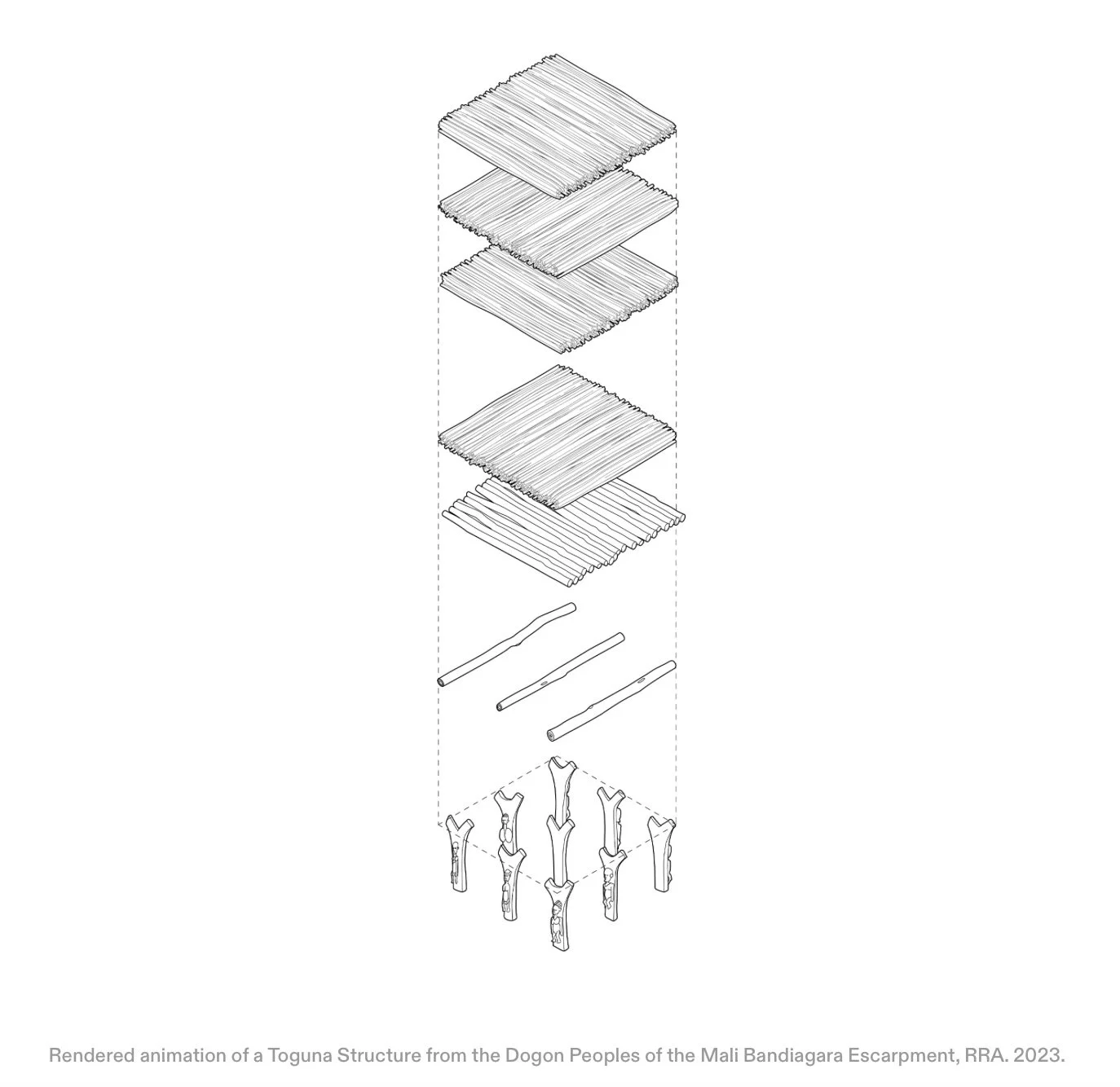
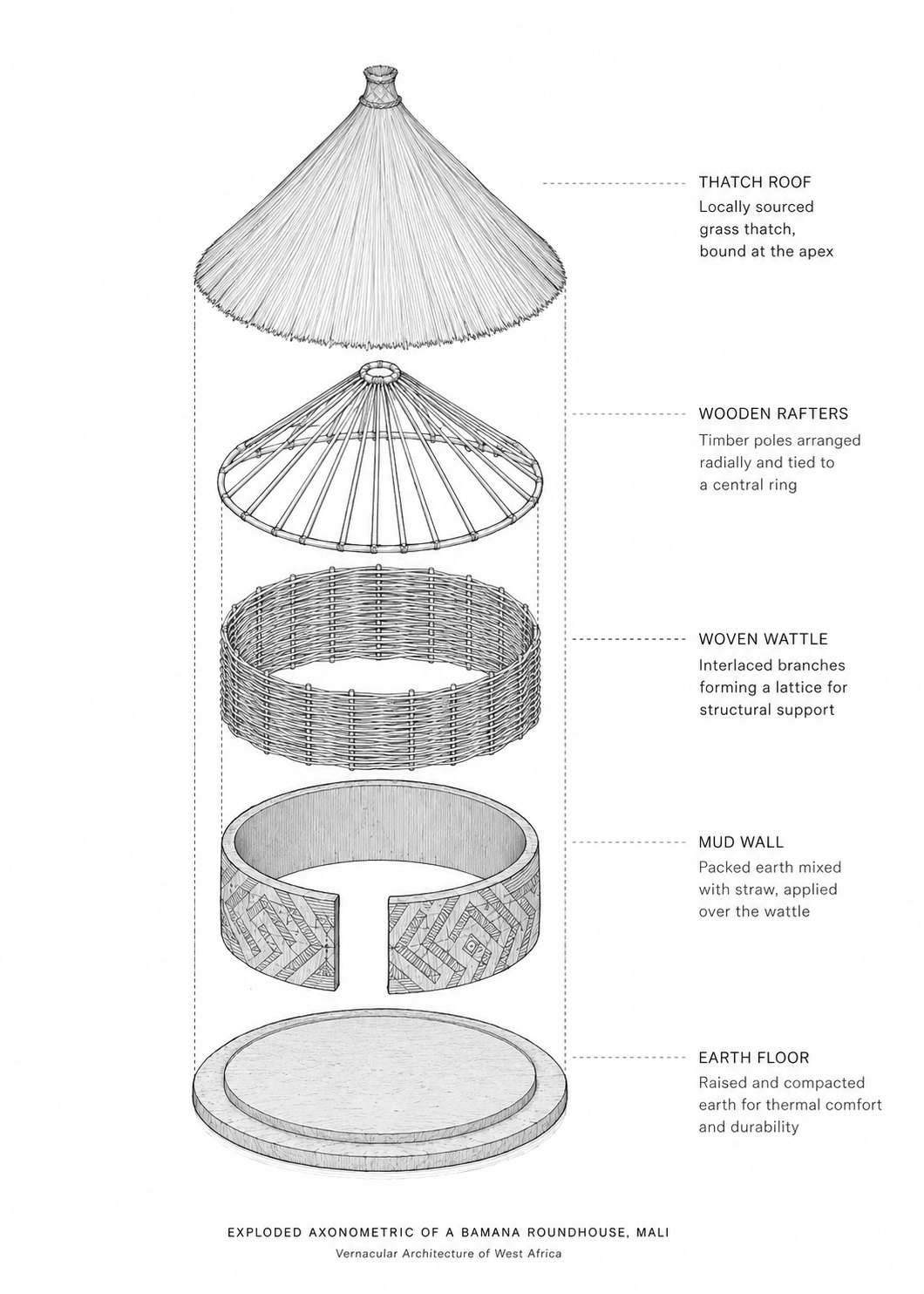
Alongside these projects, Victoria was conducting research on pre-colonial indigenous design within the 8 regions of the African continent. This particular project was seminal for her in the way that it opened her eyes to a different way of being and designing outside of Western Modernism. This pre-colonial and African/Indigenous way of designing wasn’t just about creating a structure, but creating coherent systems that allowed for embodiment, community and a thriving ecological context beyond neoliberal notions of ‘sustainability’.
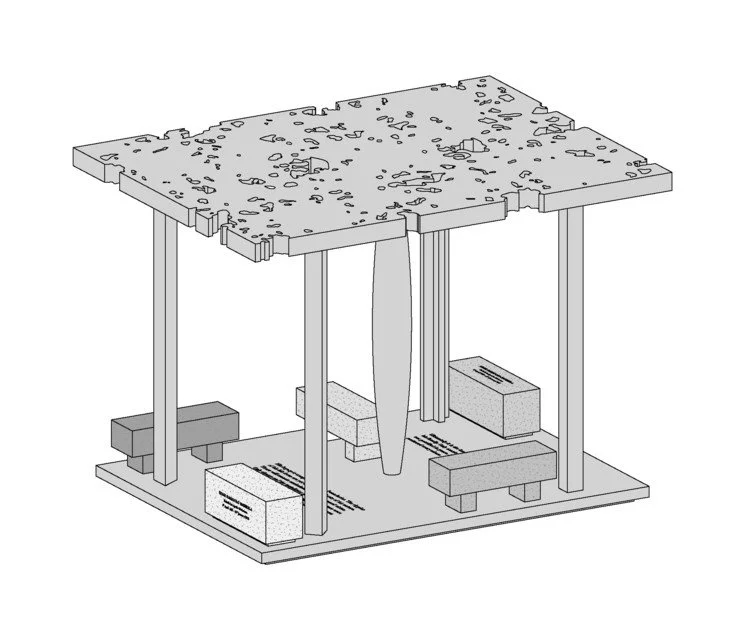
After the completion of this project, Victoria activated her research on indigenous design, decolonial theory and climate justice in a myriad of ways. Primarily through founding an architectural research agency called ‘Radical Research & Re-storying Agency (RRA)’. RRA was created through the question “How can the pre-colonial past inform a de-colonial future?” As a collaborative practice RRA is rooted in architecture, photography, and storytelling. The practice works across disciplines to explore how space is inhabited, remembered, and reimagined, with a focus on care, slowness, and relational thinking. The projects move between fieldwork, dialogue, research and making where communities, landscapes, and overlooked details reveal the layers that shape our environments: emotional, historical, political.
RRA has worked on a variety of architectural projects in the Caribbean, Africa, Latin America and Europe.
Teaching and Pedagogy
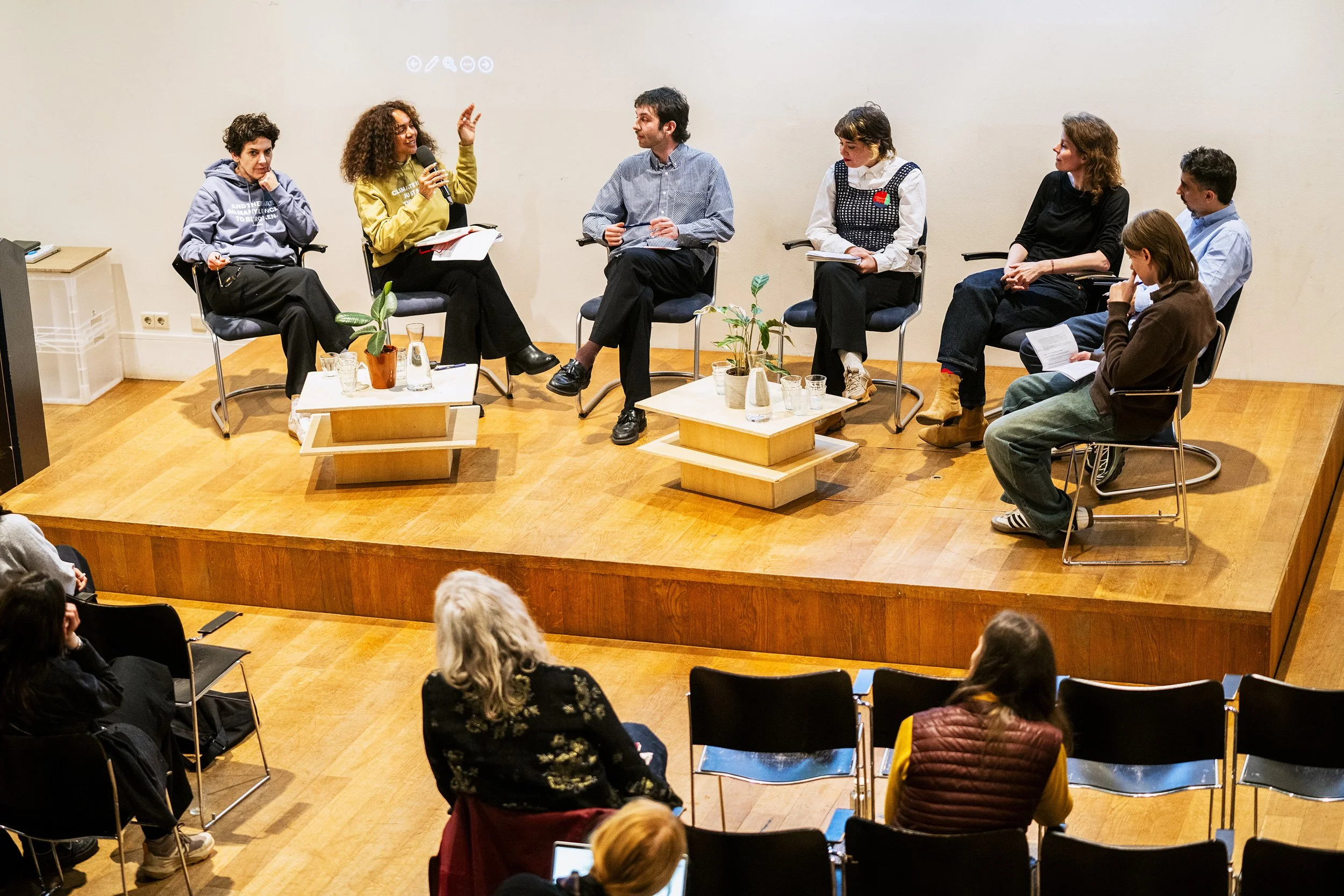
Victoria has a myriad of experience designing courses and decolonising cirriculums around design, social justice and the built environment at the Masters level. In 2022 she taught a two year MA ‘Ecologies of Transformation’ at the Sandberg Instituut, Amsterdam, Netherlands. This course was largely inspired by her time living and working in the Southern Region of the Ecuadorian Amazon in 2019 where she acted as the Project Lead for ongoing fungal mycoremedial projects of remediating toxic oil spills within surrounding indigenous lands and communities. She was invited from 2023 - 2025 to be the MA Theory Tutor and ‘Head of Theory’ for ‘Ecology Futures’ at St. Joost School of Art & Design, Den Bosch, NL—an art and design masters dedicated to alternative ways of sustainable design.
Since 2023 she has been teaching at the Royal Academy of Art (KABK) in The Hague for the MA Non-Linear Narratives. Her course, ‘Re-storying Climate’, is an investigation in decentralising the narrative of climate change from the West and utilising storytelling as a means of researching the mitigation of climate change through a decolonial lens. Alongside KABK, she is also the theory tutor 2025-2027 for the MA Monstrous Futurities: Practices in (Un)learning, (Un)making and (Un)worlding’ at the Sandberg Instituut. In this course Victoria explores unlearning methodologies of radical pedagogy and practice.
Victoria has collaborated with a wide range of architectural and cultural institutions to connect art, design, politics, and ecology, including ICE Institute for Creative Exchange, Cittadellarte, Triennale di Milano, SOCA (Studio of Contemporary Architecture), Amisacho Restoracíon, Somerset House and Het Nieuwe Instituut. She sits on the board of directors for ‘African Design Matters’, a project based in Accra, Ghana which works to elevate indigenous African design systems and symbologies as forms of knowledge and expression embedded within pre-colonial landscapes.
In 2023 - 2024, Victoria was one of the artist-in-residence at Het Nieuwe Institute’s ‘-1’ program and in 2025 she was a part of the artist-research team for the ‘Travelling Dream School’ in Mexico City which wove art, philosophy, anthropology and situated healing practices to continue the reparative work of reclaiming rejected knowledges of pre-Hispanic dream lineages.
Writing and Current Endeavours
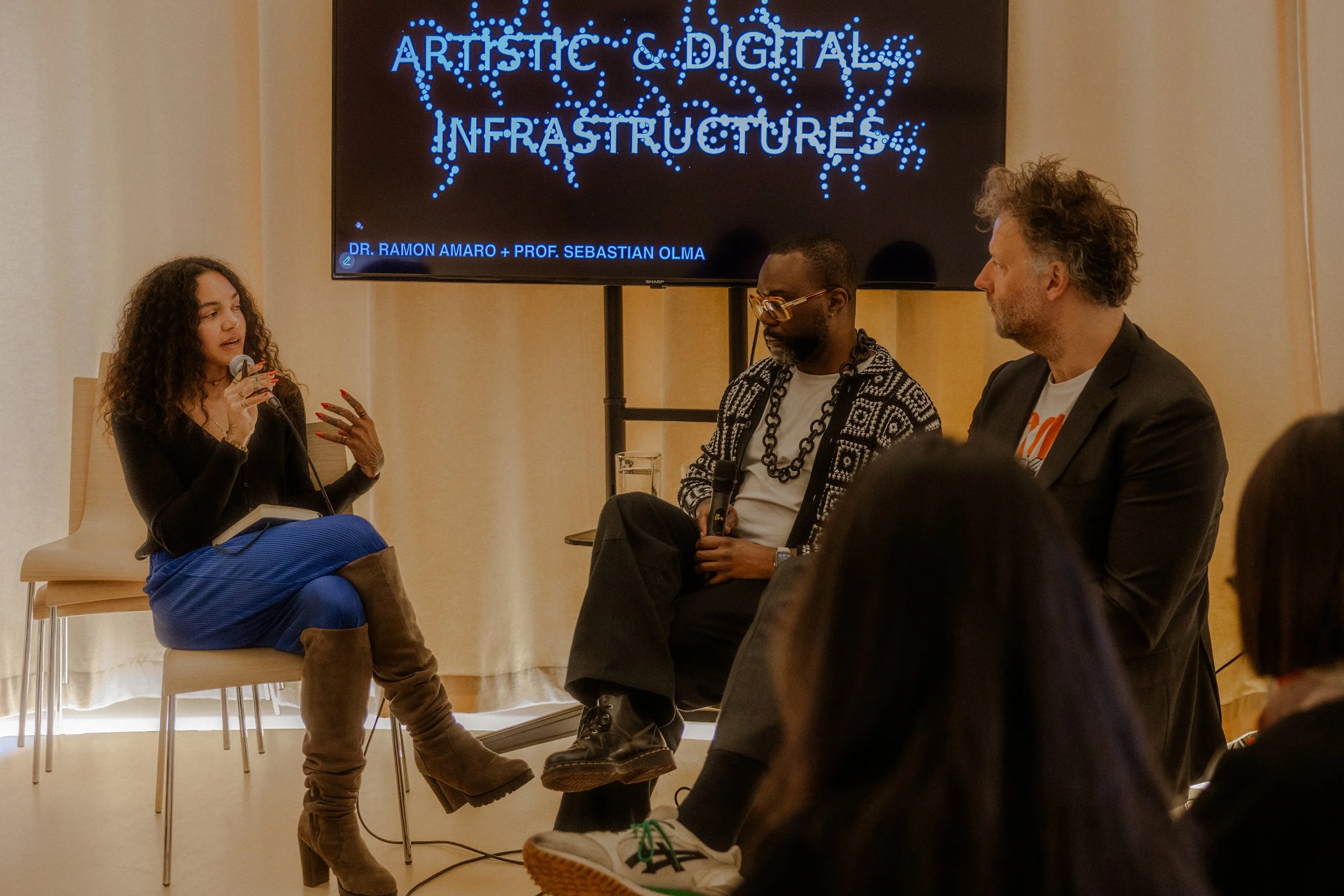
When she’s not teaching or conducting architectural research, Victoria is committed to exploring the power of storytelling as a tool for cultural preservation, social transformation and decolonial futures. Across writing, film, performance and public speaking, her work investigates how stories shape our understanding of history, identity and belonging.
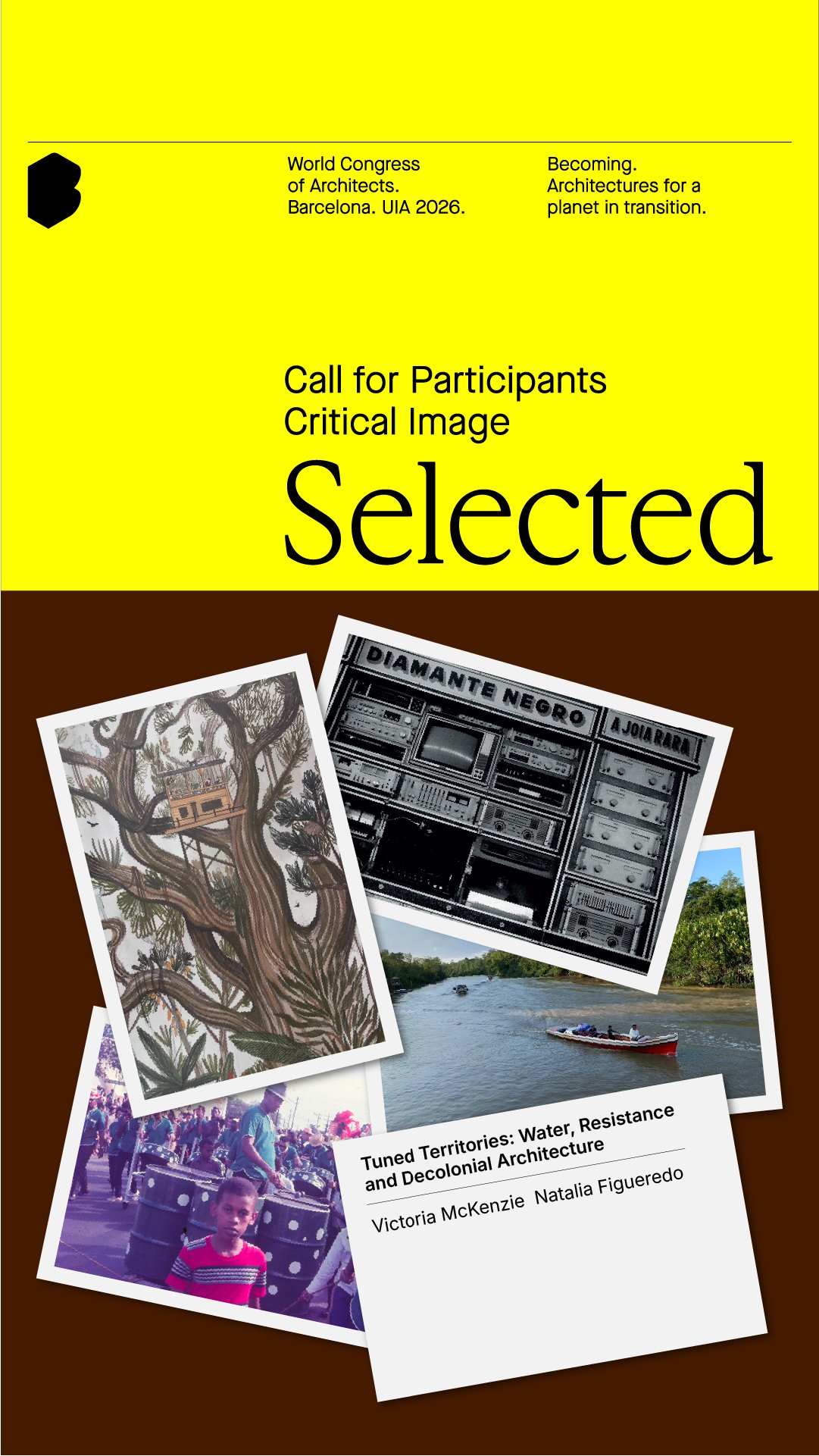
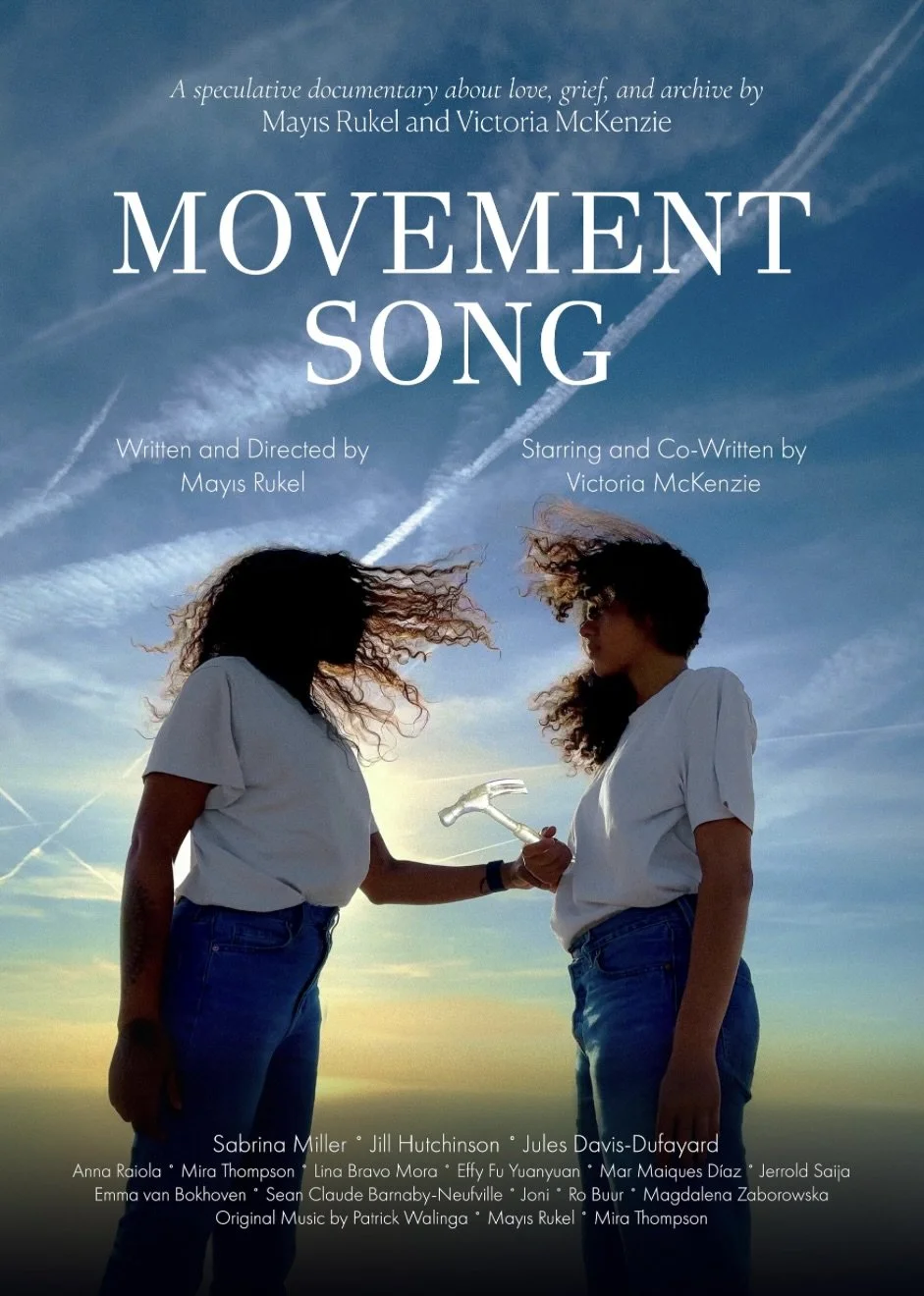
Victoria co-produced and was the lead actress in ‘Movement Song’ (2026), a film by Mayis Rukel that has been screened internationally in Amsterdam at Filmhuis Cava and Studio K, Rotterdam at the International Film Festival Rotterdam (IFFR 2026), and various arts spaces in Kathmandu, Nepal. As a public speaker, she has presented a TEDx Talk on decolonising architecture, exploring how built environments can be reimagined through Indigenous, vernacular and non-Western ways of knowing and storying. In 2026, she will present new research and creative work at the UIA World Congress of Architecture, Barcelona, Spain as part of the collective ‘Counter Tropics’ whose work examines Caribbean and Brazilian sonic histories and decolonial spatial practices.
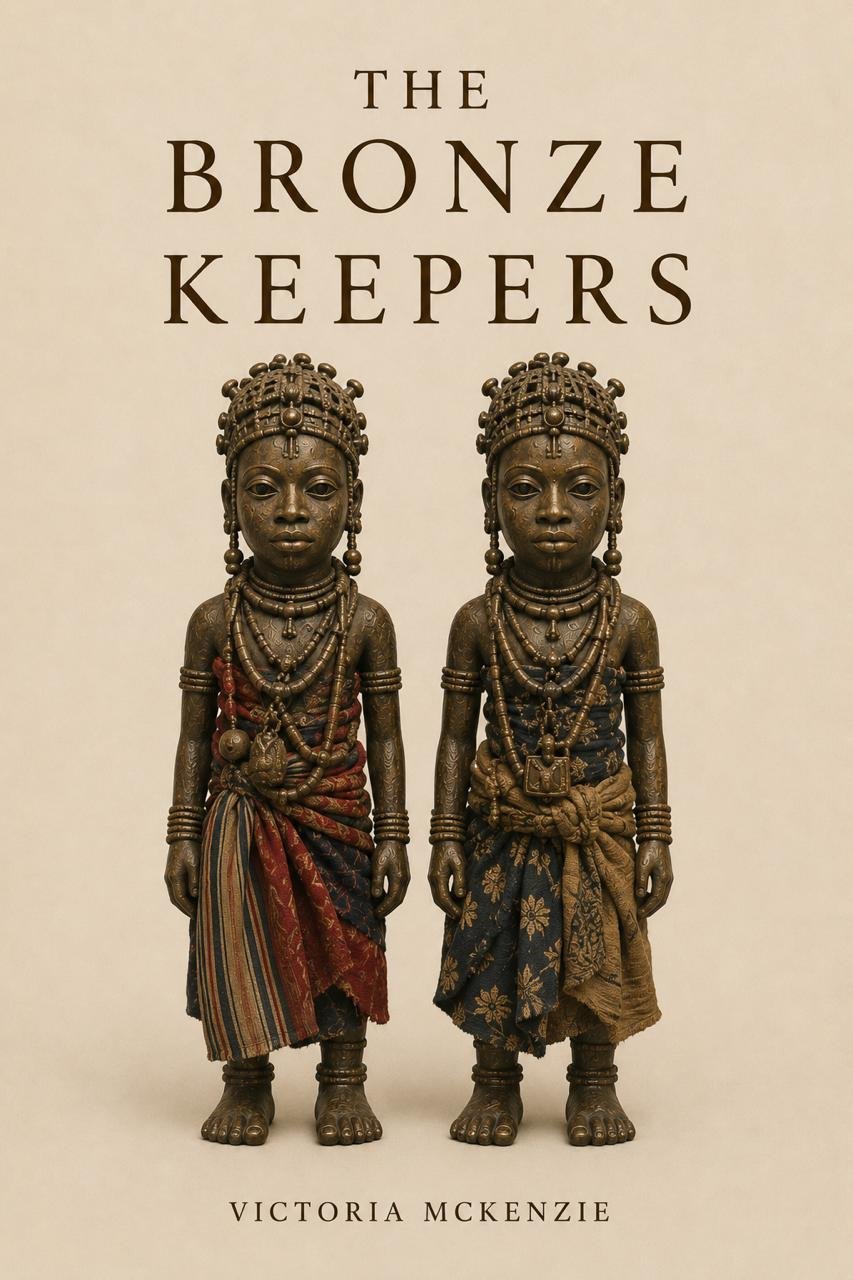
Victoria is currently writing her debut novel, a historical fiction project exploring themes of memory, ancestry, migration and cultural inheritance.